Dental Prostheses
Jul 20, 2023
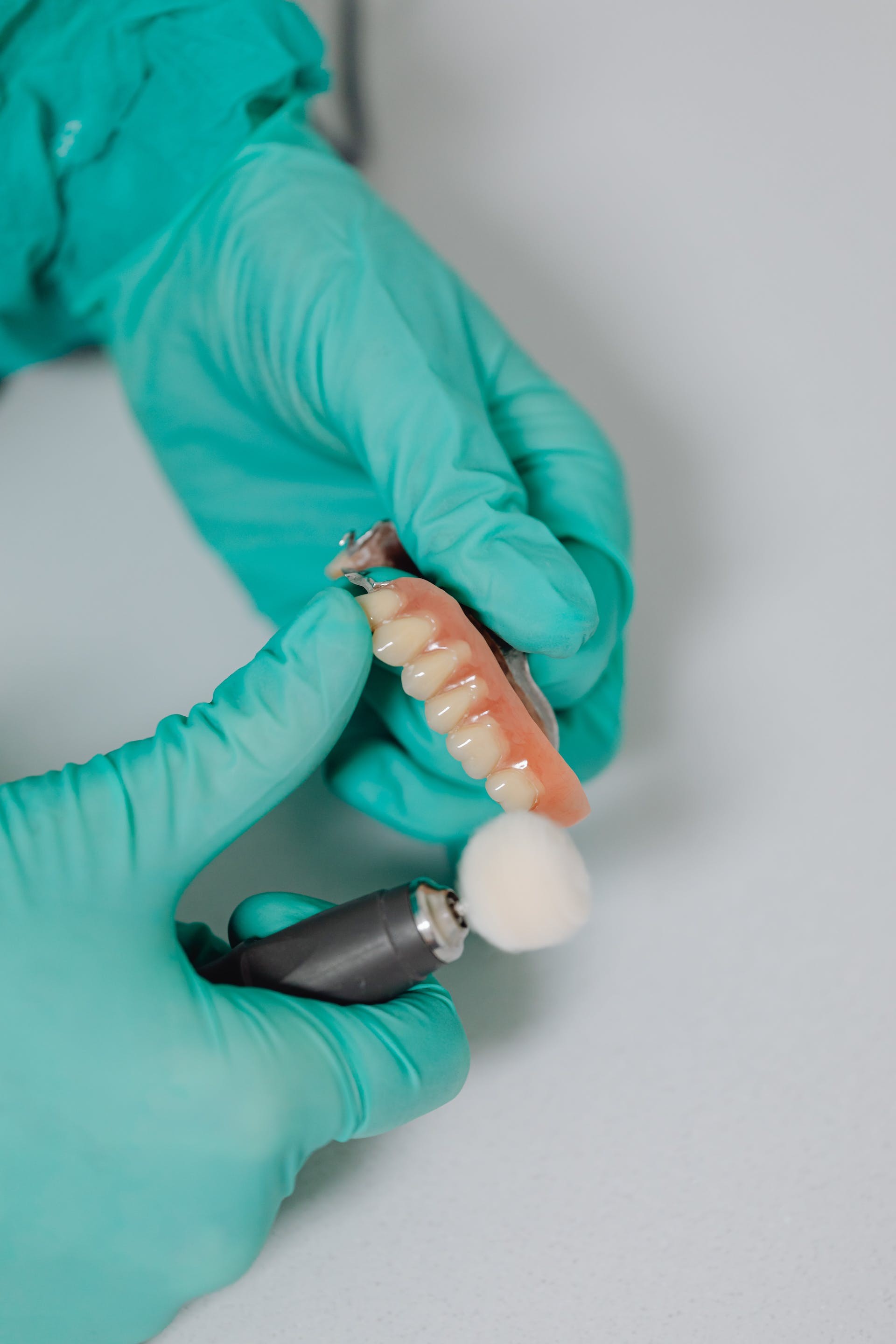
Dental Prostheses: Restoring Smiles and Functionality
Introduction
Dental prostheses represent innovative solutions in the field of dentistry, with the ability to restore masticatory function and the aesthetics of smiles for patients who have experienced partial or total tooth loss. These personalized medical devices have evolved significantly over the years and offer numerous benefits for patients. In this article, we will explore the utility of dental prostheses, the benefits they bring, and highlight the similarities and differences between full and partial removable dentures with acrylic teeth, as well as implant-retained dentures.
Utility of Dental Prostheses
Dental prostheses play a crucial role in restoring masticatory function and the aesthetics of smiles. When patients suffer from partial or total tooth loss, simple activities such as chewing food or proper pronunciation of sounds can become challenging and embarrassing. Dental prostheses contribute to solving these issues, enabling patients to eat comfortably and speak confidently.
Benefits of Dental Prostheses
Restoration of Functionality: Dental prostheses are designed to restore patients' masticatory function. By using these devices, patients can efficiently chew food, ensuring proper nutrition and contributing to overall bodily health.
Enhancement of Smile Aesthetics: Tooth loss can significantly impact facial appearance and patient confidence. Dental prostheses provide the opportunity to restore a beautiful and natural smile, contributing to improved dental aesthetics and self-confidence.
Regaining Proper Speech: Tooth loss can affect the correct pronunciation of sounds and cause speech difficulties. Dental prostheses help patients regain the ability to speak clearly and express themselves properly.
Support for Soft Tissues: Dental prostheses can provide adequate support for the soft tissues of the oral cavity, preventing cheek collapse and providing a natural appearance to the patient's face.
Similarities and Differences Between Full and Partial Removable Dentures with Acrylic Teeth and Implant-Retained Dentures
Full and partial removable dentures with acrylic teeth and implant-retained dentures are three common types of dental prostheses, each with distinct characteristics.
Full Removable Dentures: These dentures are used when a patient has experienced complete tooth loss. They are made from acrylic and are designed to fit snugly onto the dental arch. Full removable dentures provide patients with masticatory function and aesthetic benefits, and they are secured through the suction effect.
Partial Removable Dentures with Acrylic Teeth: These dentures are used in cases of partial tooth loss, where patients still have remaining natural teeth. Partial removable dentures with acrylic teeth are attached to the natural teeth through attachment systems such as clasps or rests. These dentures provide a pleasing aesthetic appearance and proper masticatory function.
Implant-Retained Dentures: Implant-retained dentures are created when there are remaining natural teeth and a more complex prosthetic restoration is needed. These dentures utilize both the support of natural teeth and an acrylic base, being securely fixed with the help of metal attachments. Implant-retained dentures offer superior stability and retention, ensuring efficient masticatory function.
Conclusion
Dental prostheses offer an effective solution for patients experiencing partial or total tooth loss. These personalized devices not only restore masticatory function and smile aesthetics but also provide significant benefits for patients. Whether it's full or partial removable dentures with acrylic teeth or implant-retained dentures, dentistry offers a variety of options to cater to the individual needs of each patient. It's important for patients to consult a dentist for evaluation and to discuss appropriate options based on their specific case.