Metal-Ceramic Works in Dental Medicine
Oct 4, 2023
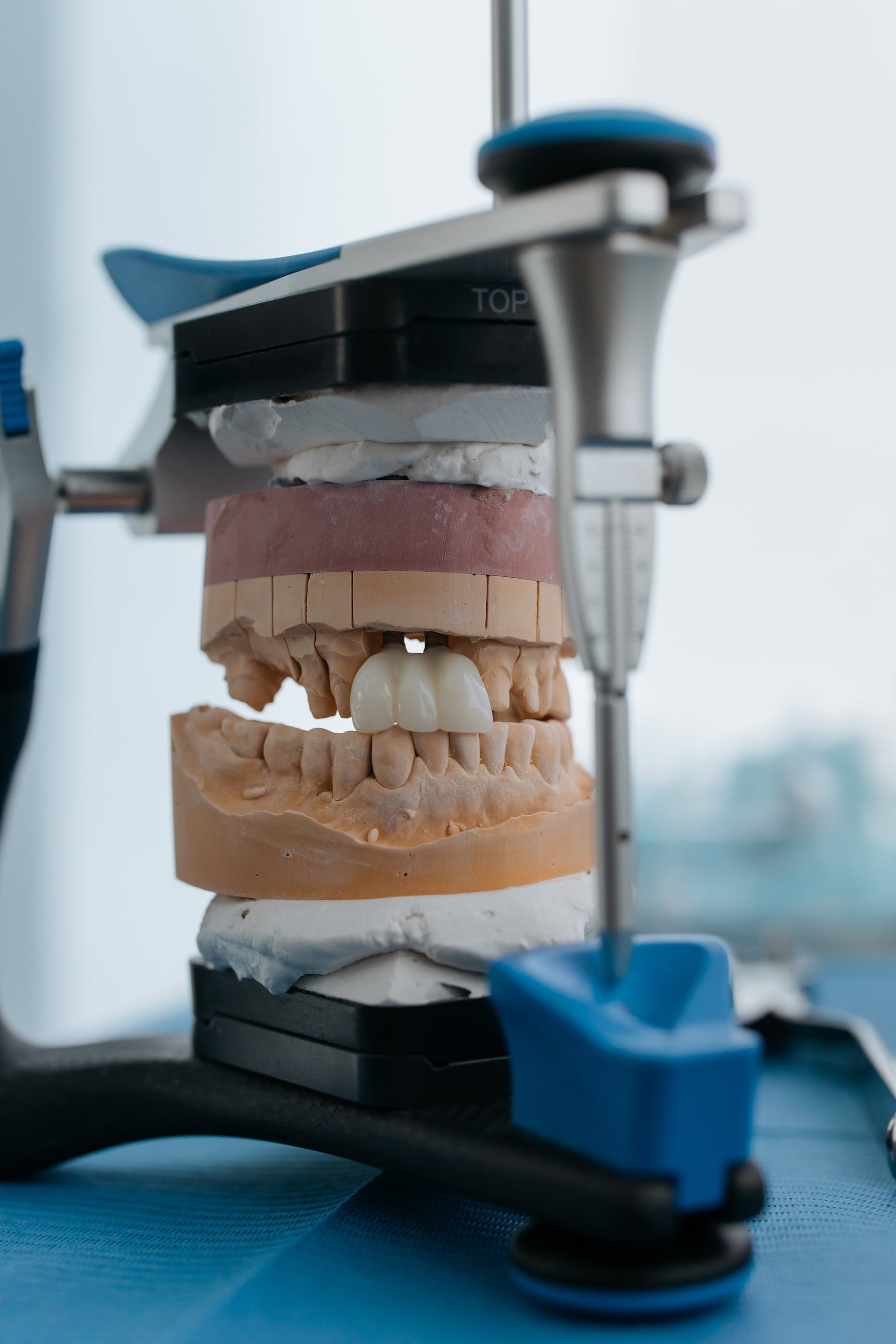
The Metal-Ceramic Works in Dental Medicine: The Perfect Balance Between Strength and Aesthetics
Introduction:
Metal-ceramic dental prostheses represent one of the most commonly utilized and well-established options in the field of dental medicine for restoring compromised dentition. They offer a synergistic blend of metal's strength and ceramic's aesthetics, providing effective solutions for patients who have experienced partial or complete dental loss. In this article, we will delve into the utility of metal-ceramic prostheses, the benefits they bring, and highlight the similarities and differences among various types of prostheses, such as full anatomical metal-ceramic crowns, 3/4 metal-ceramic crowns (veneers), ceramic crown on implant (Cr-Co), and fixed bridge abutment.
Utility of Metal-Ceramic Works:
Metal-ceramic prostheses are employed in a variety of clinical scenarios to restore the form, function, and aesthetics of compromised teeth. They are successfully used in the following cases:
Restoration of Decayed or Fractured Teeth: Metal-ceramic prostheses provide efficient solutions for rehabilitating teeth affected by cavities or fractures. They facilitate the reconstruction of deteriorated dental structures, offering strength and stability.
Replacement of Missing Teeth: In cases of partial or total tooth loss, metal-ceramic prostheses can be employed to create crowns or dental bridges, replacing the missing teeth. These prostheses ensure proper chewing function and contribute to enhancing the smile's aesthetics.
Benefits of Metal-Ceramic Works:
Strength and Durability: The metal used in metal-ceramic prostheses imparts excellent strength and longevity. As a result, they can withstand the forces of chewing and provide long-term functionality.
Natural Aesthetics: The ceramic layer applied to the visible surface of metal-ceramic prostheses allows for the attainment of a natural aesthetic appearance. Ceramic colors and translucency can be customized individually to match the look and shade of natural teeth.
Precise Fit: Metal-ceramic prostheses are crafted through advanced laboratory techniques, ensuring a precise fit on dental structures. This contributes to achieving correct occlusion and proper chewing function.
Similarities and Differences Among Various Types of Metal-Ceramic Works:
Full Anatomical Metal-Ceramic Crown: This type of prosthesis represents a complete restoration of a compromised tooth, with a combination of a metal core and a ceramic veneer. Full anatomical metal-ceramic crowns offer both strength and aesthetics, closely mimicking a natural tooth.
3/4 Metal-Ceramic Crown (Veneers): This prosthesis covers approximately three-quarters of the affected tooth's surface. It is a more conservative option than full anatomical crowns and is used when a portion of the tooth remains healthy and does not require reconstruction.
Ceramic Crown on Implant (Cr-Co): This prosthesis is utilized in the restoration of dental implants. It consists of a metal substructure (typically chrome-cobalt) covered with a ceramic layer to achieve the desired aesthetics and functionality.
Fixed Bridge Abutment: This type of metal-ceramic prosthesis is employed to support a fixed dental bridge. It can replace multiple missing teeth and relies on implants or existing natural teeth for support.
Conclusion:
Metal-ceramic prostheses represent valuable and versatile options in dental medicine, offering an optimal blend of strength and aesthetics. They are successfully employed to restore compromised dentition, contributing to the reestablishment of chewing functionality and enhancement of the smile's aesthetics. Regardless of the chosen type of metal-ceramic prosthesis, proper evaluation and planning in collaboration with an experienced dentist are essential to achieve desired outcomes and ensure long-term functionality.