Dental Implants: The Modern Option for Smile Restoration
Apr 29, 2024
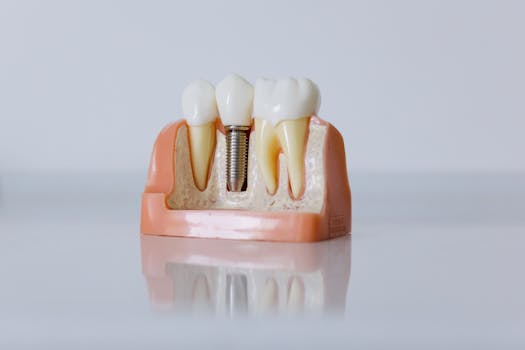
What are dental implants:
Dental implants represent modern and innovative solutions for replacing missing or damaged teeth. They consist of artificial roots made of titanium, which are inserted into the jawbone to support dental crowns, bridges, or dentures. Dental implants are designed to mimic the structure and function of natural teeth and to provide a durable and aesthetic alternative to other dental restoration options.
Dental implants are made of biocompatible materials, such as titanium, which allow the bone to grow around the implant in a process called osseointegration. This close integration between bone and implant creates a stable and secure foundation for attaching dental crowns or dentures, providing a natural appearance and functionality.
One of the major advantages of dental implants is that they do not affect adjacent teeth, as is the case with dental bridges, for example. Additionally, dental implants can prevent bone deterioration and facial atrophy, offering stable and durable support for the bone structure of the face.
Moreover, dental implants are designed to last many years, even a lifetime, with proper care. They provide patients with a beautiful and healthy smile while improving chewing function and speech at the same time.
Therefore, dental implants represent a modern and efficient option for restoring smiles and enhancing the quality of life for patients with missing or damaged teeth.
The dental implant process:
The dental implant process is a complex one and involves several stages that must be carefully followed to ensure treatment success. Here's a detailed description of these stages:
Initial evaluation: The first step in the dental implant process is the initial evaluation conducted by a dentist or dental implant specialist. During this evaluation, the overall oral health status of the patient will be examined, and radiological investigations will be performed to assess the quantity and quality of bone available for implantation.
Treatment planning: Based on the results of the initial evaluation, a personalized treatment plan will be created for each patient. This plan will include details of the necessary procedures, as well as the schedule and associated costs.
Implant insertion procedure: Following treatment planning, the dental implant insertion procedure will be scheduled. This procedure is performed under local anesthesia and involves the insertion of the implant into the jawbone. After insertion, the gums will be sutured, and the bone will be allowed to heal around the implant in a process called osseointegration.
Healing period: After implant insertion, a healing period is required before the dental crown or denture can be mounted. This period can last between 3 and 6 months, depending on the patient's health status and bone healing rate.
Mounting the dental crown or denture: Once the bone has completely healed around the implant, the mounting of the dental crown or denture will be scheduled. This involves taking a dental impression (impression-taking) and manufacturing a custom dental crown that will be firmly fixed on the dental implant.
Post-operative care: After mounting the dental crown or denture, the patient will receive detailed instructions regarding post-operative care for the dental implant. It is important to follow these instructions to ensure proper healing and maintain long-term oral health.
Types of dental implants:
There are several types of dental implants available, each with specific features and indications.
Endo-osseous implants: These are the most common types of dental implants and are inserted directly into the jawbone. Endo-osseous implants are made of titanium and provide excellent stability and rapid osseointegration.
Subperiosteal implants: In cases where patients have insufficient bone, subperiosteal implants may be a suitable option. These are placed under the gingival mucosa but above the bone and are fixed to a metal structure that rests on the bone.
Zygomatic implants: For patients with severe atrophy of the upper jaw, zygomatic implants can provide an efficient solution. These are anchored in the zygomatic bone (cheekbone or malar bone) and provide support for dental crowns or dentures.
Immediate-load implants: Immediate-load implants allow the mounting of the dental crown or denture on the same day as the implant insertion. This option can significantly reduce treatment time and the recovery period for the patient.
Benefits of dental implants:
Natural appearance: Dental implants offer a natural appearance and sensation, allowing patients to smile with confidence and feel comfortable in their own smile.
Stability and comfort: Due to the solid osseointegration between the implant and bone, dental implants provide excellent stability and comfort for patients during chewing and speaking.
Long-term durability: Dental implants are designed to last a long time, even throughout a lifetime, with proper care. This can be an important factor for patients seeking a long-term dental restoration solution.
Prevention of bone atrophy: Inserting dental implants can help prevent bone atrophy and maintain bone health around the area where a tooth has been lost. This can be essential for maintaining facial structure and overall facial appearance over time.
Ideal candidates for dental implants:
It is important to discuss who the potential candidates for dental implants are and what the selection criteria are.
Patients with missing teeth: Dental implants are ideal for patients who have lost one or more teeth due to decay, trauma, or other dental conditions. They provide a permanent and efficient solution for replacing missing teeth.
Patients with good general health: Candidates for dental implants should be in good general health and should not have medical conditions that could affect the healing process. Also, smoking can negatively affect the success of the implant and should be avoided during treatment.
Patients with sufficient available bone: For dental implants to be stable and successfully integrate into the bone, a sufficient amount of bone is required in the treatment area. In cases where the patient does not have enough bone, additional bone augmentation (addition) procedure may be necessary before implantation.
Patients who want a permanent alternative: Dental implants offer a permanent solution for replacing missing teeth and can last for many years, even throughout a lifetime. This can be an attractive option for patients who want to avoid frequent replacements and costly repairs associated with other dental restoration options.
Post-operative care of dental implants:
Rigorous oral hygiene: Patients should pay special attention to oral hygiene to maintain the health of dental implants and gums. This involves regular tooth brushing, flossing, and rinsing with water solutions, as well as regular visits to the dentist for check-ups and professional cleanings.
Avoidance of harmful habits: Smoking and excessive alcohol consumption can negatively affect oral health and the success of dental implants. Patients should avoid these harmful habits to ensure proper healing and long-term implant health.
Healthy diet: A balanced and healthy diet is essential for maintaining oral health and overall body health. Patients should avoid foods and drinks that can negatively affect dental implants, such as hard or sticky foods and acidic beverages.
Regular visits to the dentist: Scheduling regular visits to the dentist is important for monitoring the health of dental implants and preventing potential complications. The dentist can identify and treat problems in the early stages, thereby contributing to long-term implant health.
Dental works performed by the dental technician for dental implants:
It is important to highlight the essential role of the dental technician in the dental restoration process with implants. While the dentist is responsible for inserting the dental implants and clinical treatment, the dental technician plays a crucial role in manufacturing and finishing the final dental works, such as crowns, bridges, or dentures that are mounted on implants.
Collaboration between the dentist and dental technician: The process of manufacturing dental works for dental implants involves close collaboration between the dentist and dental technician. After the dentist has performed the implant insertion and determined the aesthetic and functional specifications of the final dental work, this information is transmitted to the dental technician for manufacturing, along with the dental impression.
Manufacturing dental crowns and bridges: The dental technician uses advanced techniques and materials to create custom dental crowns and bridges that fit perfectly on implants. This process also includes the manufacturing of metal-ceramic works on implants, which are a popular and durable option for smile restoration. Technologies such as CAD/CAM design are used to create precise digital models of dental works. The materials used include ceramics and zirconia, which provide natural aesthetics and excellent strength.
Finishing and adjusting dental works: After manufacturing, dental works are carefully finished and adjusted by the dental technician to ensure a perfect fit and natural aesthetics. These adjustments may include adjusting margins, shape, and color to harmoniously integrate into the patient's smile.
Quality and precision of dental works: The dental technician is responsible for ensuring the quality and precision of the final dental works to guarantee treatment success and patient satisfaction. They adhere to the highest quality standards and use modern techniques and equipment to achieve excellent results.